Search Credit Card Offers
The Accelerated Journey: Mastering Your Secured Card for Unlocked Financial Potential
Introduction
Embarking on the journey to establish or re-establish a healthy credit profile can often feel like navigating a dense fog. The initial challenges—securing your first credit product, proving your financial reliability, and understanding the intricate rules of the credit game—can be daunting. Yet, within this landscape of uncertainty lies a powerful tool: the secured credit card. Far from being a mere stepping stone, a secured card, when wielded strategically, transforms into a launchpad for significant financial growth. A powerful tool for this journey is the Capital One Quicksilver Secured Cash Rewards Credit Card, designed not just for entry, but for advancement. This guide will illuminate the path, showing you how to maximize its features to not only build a robust credit history but also to accelerate your transition to the world of unsecured credit products, unlocking greater financial flexibility and opportunity.
Understanding the "Graduation" Goal
Before diving into the mechanics, it's crucial to define the ultimate objective: "graduation." In the context of secured credit cards, graduation refers to the issuer upgrading your secured card to an unsecured credit card. This means your security deposit is refunded to you, and your credit line becomes based solely on your creditworthiness, not on collateral. The benefits of graduating are substantial and truly mark a pivotal moment in your financial journey:
- Reclaiming Your Security Deposit: The most immediate and tangible benefit is getting your money back. This deposit, which acts as collateral, is no longer needed, freeing up those funds for other financial goals.
- Accessing Higher Limits Without Additional Deposits: As an unsecured cardholder, your credit limit increases will be based on your responsible usage and improving credit score, without the need to put down more of your own money. This offers greater purchasing power and helps maintain low credit utilization ratios on a larger scale.
- Potentially Better Rewards or Terms: While secured cards like the Capital One Quicksilver Secured already offer excellent rewards, graduating often opens the door to a wider array of unsecured products with potentially richer rewards structures, lower interest rates, or more advanced features.
- Enhanced Credit Profile: Holding an unsecured credit card signals to other lenders that you are a reliable borrower, further strengthening your credit profile and opening doors to other financial products like mortgages or auto loans with favorable terms.
Issuer: Capital One • Network: MastercardSynced Daily Data Verified: Sep 18, 2026 | |
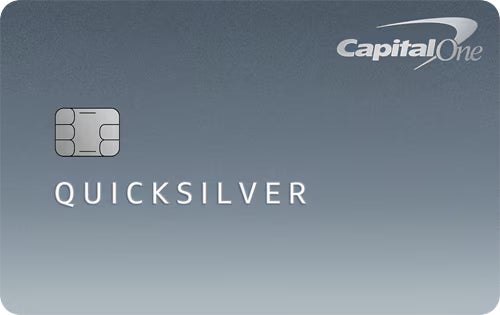 Capital One Quicksilver Secured Cash Rewards Credit Card No Annual Fee! |
|
Foundational Credit Building Principles
The bedrock of credit building, regardless of the card type, rests on a few immutable principles. Mastering these is non-negotiable for anyone aiming for swift graduation.
Consistent On-Time Payments
This is, without a doubt, the single most critical factor influencing your credit score. Payment history accounts for a substantial portion (typically 35%) of your FICO score. Every payment made on time is a positive mark on your credit report, demonstrating reliability. Conversely, even a single late payment (usually 30 days past due) can severely damage your score and remain on your report for up to seven years.
- Actionable Advice: Set up automatic payments for at least the minimum amount due. Better yet, aim to pay your full balance every month. Use calendar reminders, email alerts, or even sticky notes to ensure you never miss a due date. Consistency is paramount.
Responsible Credit Utilization
Credit utilization refers to the amount of credit you're using compared to your total available credit. For example, if your credit limit is $300 and you have a balance of $30, your utilization is 10%. This factor typically accounts for 30% of your FICO score. Lenders view high utilization as a sign of potential financial distress.
- Actionable Advice: Aim to keep your credit utilization below 30%—ideally even lower, like 10% or less, for optimal score improvement. With a secured card that might have a modest limit (e.g., $200-$300), this means being extremely mindful of your spending. If your limit is $300, try to keep your reported balance below $30-$90. Consider making multiple payments throughout the month to keep your reported balance low, especially before your statement closing date. This strategy can make a significant difference.
Monitoring Your Progress
You can't improve what you don't measure. Regularly monitoring your credit score and report is essential for tracking your progress and identifying any potential issues.
- Actionable Advice: Utilize free credit monitoring services, such as Capital One's CreditWise, which provides access to your TransUnion VantageScore and alerts you to significant changes. Review your full credit report annually (or more often) from AnnualCreditReport.com to check for errors or fraudulent activity. Understanding how your actions impact your score provides valuable feedback and motivation.
Leveraging Card Features for Accelerated Progress
The Capital One Quicksilver Secured Cash Rewards Credit Card isn't just a basic credit builder; it's designed with features that, when understood and utilized correctly, can significantly accelerate your journey to unsecured credit.
The Security Deposit as a Strategic Investment
Your security deposit (minimum $200) serves as collateral, mitigating risk for Capital One. This is why approval is often easier for those with limited or damaged credit. However, view this deposit not as a cost, but as a strategic investment. Every on-time payment and responsible spending habit you cultivate is a step towards proving your creditworthiness, which ultimately paves the way for the return of this deposit once you graduate. It's a tangible incentive to manage your card impeccably.
Automatic Credit Line Increase Reviews
One of the most valuable features of this card is that Capital One automatically reviews your account for a potential credit line increase (CLI) in as little as 6 months. This review happens without you needing to request it or put down an additional deposit. To optimize your chances for an increase:
- Consistent On-Time Payments: Reinforcing the foundational principle, this is paramount.
- Low Credit Utilization: Demonstrating that you can manage your existing credit responsibly, without maxing it out, is a strong indicator for a higher limit.
- Responsible Overall Financial Behavior: Capital One will consider your broader financial picture, including any other accounts you hold with them or other lenders.
- Show a Need (Carefully): While keeping utilization low is key, occasionally using a slightly higher percentage (that you still pay off in full and on time) can signal that you could responsibly handle a larger limit. However, never exceed 30% for this purpose.
Cash Back Rewards – More Than Just a Bonus
The Capital One Quicksilver Secured Cash Rewards Credit Card offers unlimited 1.5% cash back on every purchase, every day, and unlimited 5% cash back on hotels, vacation rentals, and rental cars booked through Capital One Travel. These rewards are more than just a nice perk; they reinforce positive spending habits and provide tangible value even during your credit-building phase.
Earning cash back encourages you to use your card for everyday expenses, which in turn helps build your payment history. By using the card for purchases you would make anyway (and paying it off promptly), you generate rewards without incurring debt. This creates a positive feedback loop: responsible usage leads to rewards, which encourages more responsible usage, leading to better credit.
| Monthly General Spending (1.5% CB) | Monthly Travel Spending via CapOne Travel (5% CB) | Monthly Cash Back | Annual Cash Back (Estimate) |
|---|---|---|---|
| $150 | $0 | $2.25 | $27.00 |
| $300 | $0 | $4.50 | $54.00 |
| $200 | $100 | ($200 * 0.015) + ($100 * 0.05) = $3.00 + $5.00 = $8.00 | $96.00 |
| $400 | $150 | ($400 * 0.015) + ($150 * 0.05) = $6.00 + $7.50 = $13.50 | $162.00 |
| $500 | $250 | ($500 * 0.015) + ($250 * 0.05) = $7.50 + $12.50 = $20.00 | $240.00 |
These earnings, while modest at first, exemplify the value proposition of tools like the Capital One Quicksilver Secured Cash Rewards Credit Card, proving that even entry-level products can offer meaningful returns. The cash back can be redeemed as a statement credit, check, or gift cards, further enhancing its utility.
The Graduation Playbook: A Tactical Workflow
Here's a step-by-step workflow designed to maximize your chances of graduating from your secured card to an unsecured product as quickly as possible:
- Step 1: Activate and Set Up Auto-Pay. Immediately activate your card upon receipt. Then, log into your Capital One account and set up automatic payments for at least the minimum amount due. This eliminates the risk of missing a payment, which is critical for your credit score.
- Step 2: Start with Small, Consistent Purchases. Don't feel pressured to spend a lot. Use your card for small, routine expenses you already budget for, like groceries, gas, or a streaming service subscription. This establishes a consistent payment history without overextending yourself.
- Step 3: Pay Your Balance in Full (or well above the minimum) Before the Due Date. While auto-pay for the minimum is a safety net, your goal should always be to pay your statement balance in full before the due date. This avoids interest charges and significantly helps keep your credit utilization low. If you can't pay in full, pay as much as you possibly can.
- Step 4: Monitor Your Credit Score Regularly. Use Capital One's CreditWise or other free services to track your score. Observe how your on-time payments and low utilization positively impact your score over time. This feedback loop is motivating and helps you understand the system.
- Step 5: Consistently Keep Utilization Low. Aim for 10% utilization or less. With a $200 limit, this means keeping your reported balance below $20. If you spend more than this in a month, make an extra payment (or two!) before your statement closing date to bring the balance down.
- Step 6: Be Patient and Consistent for at Least 6-12 Months. Building credit is a marathon, not a sprint. While Capital One reviews for credit line increases in as little as 6 months, graduation often takes a bit longer, typically between 6 to 18 months of consistent, responsible usage. Maintain your excellent habits, and the results will follow.
Expert Guidance: Proactively Enhancing Your Profile
While the Capital One Quicksilver Secured Cash Rewards Credit Card offers automatic consideration for credit line increases, you can further improve your chances by consistently demonstrating financial discipline. Consider occasional small increases in your monthly spending that you can comfortably pay off, showing a greater capacity for responsible credit management. This isn't about spending more than you can afford, but rather about strategically using a slightly larger portion of your available credit (still well below 30%) for a month or two, then paying it off in full. This demonstrates to Capital One that you can handle a larger credit line responsibly.
Beyond Graduation: What Comes Next?
Successfully graduating from your secured card is a significant achievement and a testament to your financial discipline. This milestone opens doors to a broader array of credit products. Capital One, for instance, has a diverse suite of unsecured credit cards, many offering even richer rewards or specialized benefits. You might be pre-approved for cards like the standard Capital One Quicksilver, VentureOne, or even higher-tier travel cards, depending on your credit profile at the time of graduation.
Even after graduating, the principles remain the same: continue making on-time payments, keep utilization low across all your accounts, and only apply for new credit when truly needed. Your credit journey doesn't end with graduation; it merely enters a new, more expansive phase.
Avoiding Common Pitfalls
While the path to graduation is clear, there are several common missteps that can derail your progress:
- Late Payments: As emphasized, a single late payment can set your credit building back significantly. Never miss a due date.
- Maxing Out the Card: Consistently using your entire credit limit, even if you pay it off, will result in high credit utilization being reported to the bureaus, which negatively impacts your score.
- Closing the Account Prematurely: Once you graduate, resist the urge to immediately close your secured card (which will now be an unsecured card). The length of your credit history is a factor in your score, and keeping your oldest accounts open and in good standing is beneficial.
- Applying for Too Much New Credit Too Soon: While tempting, applying for multiple new credit cards or loans in a short period can lower your score due due to hard inquiries and a decrease in your average age of accounts. Focus on solidifying your current credit first.
- Not Monitoring Your Account: Failing to regularly check your statements for errors or unauthorized charges can lead to problems down the line.
In conclusion, a secured credit card is not merely a placeholder but a powerful launchpad for long-term financial health. With strategic use and consistent responsible behavior, cardholders can effectively transition from using their Capital One Quicksilver Secured Cash Rewards Credit Card to a future of greater credit flexibility and financial empowerment. By embracing the foundational principles of credit building, leveraging the card's unique features, and diligently following the graduation playbook, you are not just building credit; you are meticulously crafting a stronger financial future for yourself.