Search Credit Card Offers
Capital One Spark Cash - Earn $1,000 Cash Back once you spend $10,000 in the first 3 months from account opening
Issuer: Capital One • Network: VisaSynced Daily Data Verified: Sep 18, 2026 | |
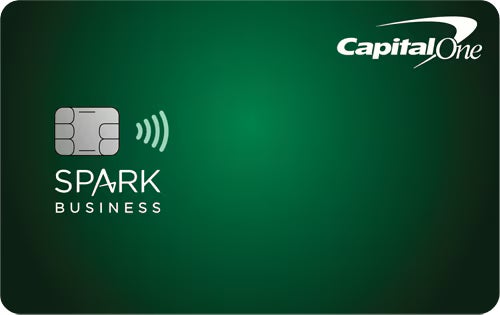 Capital One Spark Cash Annual Fee: $0 intro for first year; $95 after that |
|
When a small business card promises big rewards but real life isn’t that tidyWhat the numbers look like when you actually spendIn practice, the lure is the $1,000 bonus for spending $10,000 in 3 months, plus unlimited 2% cash back on every purchase. The first year is effectively free, so the real question is whether you can sustain enough spend to justify the $95 fee in year two. If you assume only 4,750 in annual spend at 2% after the first year, you break even on the ongoing rewards. The travel perk can shift that balance if you actually use the Capital One Travel portal and book hotels or rental cars there. The 2% cash back you can actually rely on
Travel perk reality check: 5% on hotels and rental cars
Ownership reality check
Who should actually benefit, who might drop it after 12 monthsIdeal fits tend to be businesses with broad everyday spend and a travel habit that aligns with the Capital One Travel portal. If your spend is heavily weighted toward a few high-earning categories or you rely on a separate travel program, the Spark Cash can feel redundant after the introductory period. If you don’t push enough spend to justify the annual fee once it comes due, you’re likely to phase this card out in favor of something with tighter rewards or lower ongoing costs. A day-in-the-life scenario with a minor hitchA small design studio puts utilities, software, hosting, and marketing services on the Spark Cash to chase the $1,000 bonus. Mid-cycle, one vendor posts via a PO portal that takes a few extra days to settle, delaying the final spend tally. They book a team conference hotel through the Capital One Travel portal to capture 5% back, but the portal shows limited properties and the price isn’t always the best option. The rewards post as statement credits, and they wait for the 1,000 to hit after they’ve hit $10,000 in 3 months. The first year is free, so the risk is contained; in year two, the $95 fee arrives and the math tightens up quickly. Long-term staying power in a real walletIn practice, the Spark Cash remains reasonable as a broad, baseline card for a business with steady, non-category-specific spend and occasional travel. If your spend grows into more targeted rewards elsewhere or travel programs, you’ll likely move on after year one to optimize ongoing value. The card’s staying power hinges on how reliably you hit that sign-up target and how much you lean on the 2% base versus the travel portal perks. |
|
Highlights of RewardsWHAT YOUR REWARDS GET YOU
Rates & Fees | |