Chase Freedom Unlimited rental car insurance is generally secondary in the U.S. when you have other applicable auto insurance. If you do not have personal automobile insurance, or you are renting outside your country of residence, Chase says the benefit may act as primary coverage.
There are a couple of important conditions, though. You need to use your Chase Freedom Unlimited card for the entire rental transaction and decline the rental company's collision damage waiver or loss damage waiver. The coverage is intended to protect the rental vehicle against eligible damage and theft, but it does not replace every type of insurance you might need when renting a car.
Issuer: Chase • Network: VisaSynced Daily Data Verified: Sep 18, 2026 | |
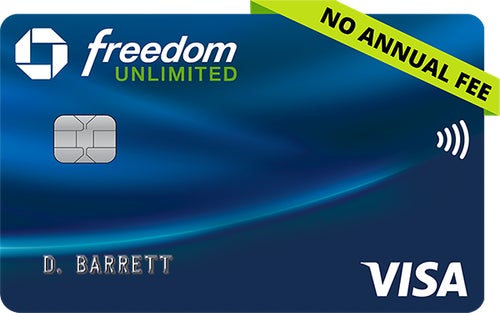 Chase Freedom Unlimited® No Annual Fee! |
|
How Chase Freedom Unlimited Rental Car Coverage Works
For a rental car in the United States, the Chase Freedom Unlimited benefit is generally secondary when you already have personal automobile insurance or another applicable policy. In simple terms, your existing insurance is normally the first layer of coverage if the rental vehicle is damaged or stolen.
Once the primary insurance has handled the claim according to its policy, the Chase benefit may cover eligible expenses that remain, subject to the terms and limitations of the Chase benefit. That can include certain costs associated with damage or theft of the rental vehicle.
This distinction matters because secondary coverage is not the same thing as having a separate primary rental car policy. Someone who assumes Chase automatically takes over the entire claim could be in for an unpleasant surprise.
When Can the Coverage Act as Primary?
There are situations where the Chase Freedom Unlimited rental car benefit may act as primary coverage rather than secondary coverage.
- If you do not have personal automobile insurance or other applicable insurance.
- When you are renting outside your country of residence, subject to the terms of the benefit.
This is one reason the location of the rental matters. A Freedom Unlimited cardmember with an existing U.S. auto policy could have a very different claims process from someone renting a car internationally without another applicable policy.
What You Need to Do to Get the Rental Coverage
The requirements are fairly straightforward, but missing either one can create a problem.
- Use your Chase Freedom Unlimited card for the entire rental car transaction. You should be the cardmember making the rental payment.
- Decline the rental company's collision damage waiver or loss damage waiver.
There is an important practical point here: the benefit is tied to the way you arrange the rental. Simply carrying a Freedom Unlimited in your wallet does not activate the rental protection. The rental needs to be paid for with the covered card, and the applicable rental company protection needs to be declined.
How Much Does Chase Freedom Unlimited Rental Insurance Cover?
The Chase Freedom Auto Rental Coverage benefit provides up to $60,000 in coverage for eligible damage or theft involving the rental vehicle.
According to Chase, covered expenses can include:
- Damage to the rental vehicle
- Theft of the rental vehicle
- Valid loss-of-use charges imposed by the rental agency
- Administrative fees
- Eligible towing charges
The $60,000 figure should not be viewed as a blanket payment for anything that happens during a rental. The benefit has specific eligibility requirements, exclusions and documentation requirements, so the actual amount covered depends on the circumstances and the terms of the applicable Guide to Benefits.
What Isn't Covered by the Freedom Unlimited Rental Benefit?
This is where it pays to slow down before assuming your credit card has every aspect of a rental covered.
- Injuries to you or other individuals
- Damage resulting from off-road driving
- Damage or theft resulting from driving under the influence of alcohol or drugs
- Antique vehicles
- High-value vehicles
- Exotic vehicles
- Vans designed to carry more than 12 passengers
- Other vehicles or situations excluded under the current Guide to Benefits
That last point is worth remembering. Rental car coverage through a credit card generally protects against specific risks involving the rental vehicle. It should not automatically be interpreted as liability coverage for damage you cause to another person's car or property, or as medical coverage for injuries.
Do You Have to Add the Rental Car to Your Insurance?
This is a common point of confusion, especially for people renting a car for the first time.
Chase's stated eligibility requirements focus on using the covered Chase card for the entire rental transaction and declining the rental agency's CDW or LDW. The benefit does not state that you need to separately register the rental vehicle with Chase before driving away.
If you already have personal auto insurance, however, it is still worth knowing how your own policy treats rental vehicles. In the U.S., the Chase benefit is generally secondary when other applicable insurance exists, so your personal policy can play an important role in the event of a claim.
What This Looks Like on a Real Rental
Imagine you fly to Florida for a week and rent a standard passenger car. You pay for the entire rental with your Chase Freedom Unlimited and decline the rental company's CDW or LDW. You also have personal auto insurance at home.
If the rental car is damaged during the trip, your personal auto insurance would generally be the first layer of coverage because the Chase benefit is secondary in the U.S. The Chase benefit may then cover eligible expenses that remain after the primary policy handles the claim, subject to the Chase benefit's terms.
Now change the situation. You are renting outside your country of residence and do not have another applicable policy covering the rental. Chase says its benefit may act as primary in that situation. The underlying card benefit is the same, but the way it interacts with other insurance can be very different.
The Mistake That Can Cause Problems
The biggest mistake is assuming that having a Freedom Unlimited automatically means you can decline every form of protection offered by a rental company without checking what each type of coverage actually does.
The Chase benefit described here focuses on collision and theft involving the rental vehicle. It does not cover personal injuries, and it does not turn into a general liability policy simply because you used your Chase card to pay for the rental.
There is also a rental-length limitation. The Chase Freedom Auto Rental Coverage applies to rental periods of 31 consecutive days or less. Longer rentals need to be evaluated under the applicable benefit terms rather than assuming the same protection continues indefinitely.
Is Freedom Unlimited Rental Car Coverage Enough?
For someone who already has auto insurance and occasionally rents a standard vehicle, the Freedom Unlimited rental benefit can provide a useful layer of protection without requiring another credit card specifically for rental coverage. The key is understanding that U.S. coverage is generally secondary when you have other applicable insurance.
It can also be particularly useful for travelers who understand the requirements and are comfortable declining the rental company's CDW or LDW when appropriate. But the exclusions and limitations matter, and this benefit should not be treated as a substitute for every type of insurance associated with driving a rental car.
Before relying on the benefit, check the current Chase Freedom Unlimited Guide to Benefits for the complete terms, covered vehicles, exclusions and claims requirements. If damage or theft occurs, Chase says claims should be filed as soon as possible and no later than 100 days after the incident.
More Chase Freedom Unlimited Benefit Guides
- Best Way to Redeem Chase Freedom Unlimited Cash Back
- Chase Credit Card Extended Warranty Guide
- Chase Credit Journey (Free for Non‑Customers)
- Chase Credit Journey Review
- Chase Freedom Auto Rental Collision Damage Waiver
- Chase Freedom Unlimited 0% Intro APR Balance Transfer
- Chase Freedom Unlimited $200 Bonus — 24‑Month Rules
- Chase Freedom Unlimited drugstore cash back
- Chase Freedom Unlimited Comprehensive Guide
- Chase Freedom Unlimited Travel Emergency Assistance
- Chase Freedom Unlimited Trip Cancellation Insurance Limits
- Chase Pay Over Time — Freedom Unlimited
- Chase Purchase Protection — 120 Days Theft & Damage
- Chase Ultimate Rewards Guide
- How to Activate Chase Freedom Unlimited DashPass Free Trial
- How Chase Pay Over Time Works on Amazon
- Ultimate Rewards Point Redemption Strategy
- What Counts as Dining for Chase Freedom Unlimited?