|
|
- Earn up to 70,000 bonus miles and 500 PQP
- NEW! 10x total miles on eligible United flights and 4x miles on all other eligible United® purchases
- 2x miles on dining, select streaming services, and all other travel
- 1x mile on all other purchases
- Get a jump start on earning Premier status with 1,000 Card Bonus PQP each year, awarded within 8 weeks of February 1, starting in the calendar year following your account open date.
- Free first and second checked bags--a savings of up to $440 per roundtrip (terms apply)
- Receive a $200 United® travel credit and 10,000-mile award flight discount on each account anniversary
- NEW! Save 10% or more when booking flights with miles. Premier members save even more.
- Member FDIC
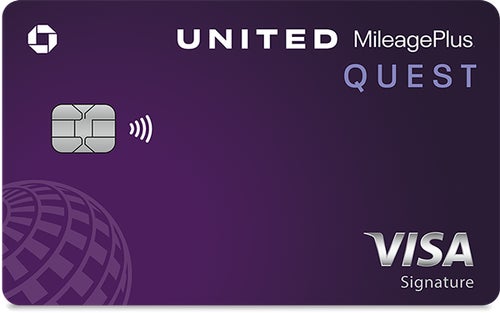
United Quest℠ Card
|
When a United flight is cheaper to pay with miles, the rest of the math still shows up at checkout
Reality check: what the rewards actually feel like day-to-day
The marketing numbers promise big miles and flashy perks, but real life often drags them into the weeds: you’ll see a discrepancy between the marketing offer and the terms (Offer says up to 70,000 bonus miles; Details show 60,000). The 10x on United flights only matters if you’re consistently booking United and using the right channels, and the 2x/4x structure means you’re layering rewards on top of purchases you’d make anyway. The annual fee is a real line item, so the card only tips the scales if you’re actually putting serious travel money through United and redeeming strategically rather than chasing every promo.
Everyday usage scenario
-
Scenario: A family plans a cross‑country trip and tries to lean on miles to cover costs. You discover the free first and second checked bags can help, but the perk is not a blanket free‑bag policy for every itinerary. If you mix in partner flights or non‑United legs, the perk can disappear just when you need it most. You still owe taxes/fees on award tickets, which can erode perceived value.
-
Friction: Miles posting can lag behind purchases, and the 10x/4x accelerators depend on booking the right tickets through the right portal. The $200 travel credit and the 10,000‑mile anniversary discount exist, but they arrive on a cycle, not on demand, which can leave you short of value right before a trip.
-
Observation: The sign‑up bonuses touted in ads may differ from what actually posts after you meet the spend threshold, and the 500 Premier qualifying points aren’t a slam dunk for immediate status gains. If your trips are uneven, the card’s benefits can feel episodic rather than consistent.
Ownership friction
- The annual fee is real: if you don’t fly United enough to justify the perk set, you’ll feel the hit every year.
- Premier status PQP: 1,000 PQP each year is a gentle nudge, awarded after Feb 1 in the following calendar year; you can’t bank on it to unlock perks quickly.
- Redemption friction: redeeming miles for flights often means juggling taxes/fees and limited availability; the “save 10% or more when booking flights with miles” can evaporate once you run into capacity controls and blackout windows.
Who should consider this card, and who should skip
- Best fit: Frequent United travelers who reliably spend on travel and can hit the annual spend to justify the fee. If you actually use the free baggage, the anniversary travel credit, and the Premier push, the math can work out.
- Less ideal: If United isn’t your main airline or your travel is sporadic, the incremental miles and credits won’t move the needle enough. A simpler rewards card with a lower annual fee or a non‑United focus will usually save you more in practice.
Conclusion: staying power in your wallet
In the long run, this card stays in a wallet only if United is a central pillar of your travel and you actively redeem miles and use the baggage perk. If your trips fizzle out or you dislike chasing specific booking flows to extract value, you’ll drop it within a year to avoid the annual cost and the temptation to chase a perk that never quite aligns with your actual lifestyle. |