While surface-level rewards credit cards relegate pharmacy spending to a standard 1% base rate, the Chase Freedom Unlimited® features a permanent, uncapped 3% cash back multiplier on drugstore purchases. For cardholders managing ongoing prescription costs or frequenting convenience retailers, this elevated tier represents an elite vehicle for generating high-yield cash back.
However, extracting maximum value from this category requires an understanding of credit card processing networks. Point acceleration is determined entirely by how a merchant classifies its primary business operations. This operational brief breaks down how Merchant Category Codes (MCC) govern your drugstore purchases, what retail environments trigger the 3% rate, and which locations will leave you stuck at the 1.5% base line.
Issuer: Chase • Network: VisaSynced Daily Data Verified: Sep 18, 2026 | |
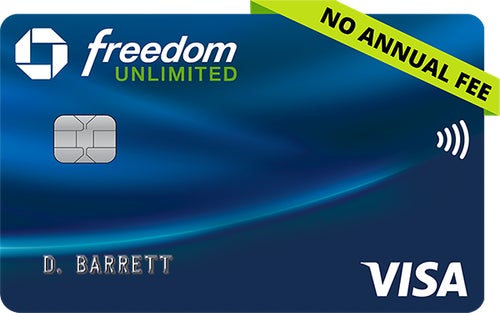 Chase Freedom Unlimited® No Annual Fee! |
|
1. The Mechanics of Merchant Category Codes (MCC)
Every time a credit card is swiped, tapped, or entered online, the payment gateway transmits a 4-digit classification number known as a Merchant Category Code (MCC). Visa uses these standardized numbers to tell credit card issuers like Chase what kind of store you are buying from.
To trigger the automatic 3% multiplier, the register or online checkout system must code as MCC 5912 (Drug Stores and Pharmacies). When this specific code hits your account, Chase immediately appends an extra 1.5% bonus on top of your card's standard 1.5% base rate, bringing your total yield to 3% cash back (or 3 points per dollar within the Chase Ultimate Rewards ecosystem).
2. What Qualifies: Standalone Powerhouses
The core rule of thumb for tracking down the 3% drugstore tier is retail independence. Standalone corporate pharmacy chains and local community drugstores whose singular business focus is health, beauty, and prescription fulfillments almost universally code correctly.
Your spending will reliably trigger the 3% accelerated rate at major, dedicated nationwide retailers including:
- Walgreens (including online orders and in-app prescriptions)
- CVS Pharmacy (both standalone stores and the distinct CVS pharmacy counters tucked inside other retail locations)
- Duane Reade and Rite Aid locations
- Independent, local hometown pharmacies and compounding labs registered explicitly as drug stores
Crucially, this 3% rate covers everything you buy inside the store, not just medicine. If you pick up milk, snacks, household toiletries, or cosmetics at a standalone Walgreens or CVS, the entire basket qualifies for the elevated 3% tier because the terminal itself carries the store's primary pharmacy code.
3. Critical Exclusions: The Superstore & Wholesale Trap
The most frequent error cardholders make is assuming that buying a prescription at a grocery store or wholesale club will trigger the drugstore bonus. It will not. Processing networks apply MCC categories to the entire building based on its highest volume of sales, meaning big-box environments wipe out specialized department bonuses.
| Purchase Location | Expected Code Status | Your Actual Chase Yield |
|---|---|---|
| CVS, Walgreens, Rite Aid (Standalone) | MCC 5912: Drugstores | 3.0% Cash Back |
| Target or Walmart Pharmacy Counters | MCC 5310/5311: Superstores | 1.5% Base Rate |
| Costco or Sam's Club Pharmacies | MCC 5300: Wholesale Clubs | 1.5% Base Rate |
| Kroger, Cub, or Safeway Pharmacies | MCC 5411: Grocery Stores | 1.5% Base Rate |
If you drop off a prescription at a grocery supermarket or a warehouse giant, Chase will classify that charge under the building's main umbrella code (Grocery or Wholesale). Because those codes do not match MCC 5912, your payout falls back to the card's standard 1.5% flat floor. If maximizing point yield is your primary objective, shifting your recurring maintenance prescriptions to a dedicated standalone pharmacy is a necessary operational pivot.
4. Strategic Compounding: Gift Card Anchoring
Because the 3% multiplier triggers on any item processed through a standalone drugstore cash register, advanced rewards optimizers use these brick-and-mortar storefronts as leverage hubs to manufacture points on outside spending.
Major drugstore locations like CVS and Walgreens maintain large gift card displays featuring third-party brands (such as streaming services, hardware stores, digital marketplaces, and gas stations). By purchasing these external gift cards at a standalone drugstore using your Freedom Unlimited card, the transaction codes as a drugstore purchase—effectively locking in a 3% return on retailers where you would normally only earn your baseline rate.
A Note on Financing Large Expenditures: If you find yourself facing substantial, unexpected medical or out-of-pocket prescription expenses, do not feel pressured to wipe out your cash reserves immediately. You can pair this 3% accumulation phase with the card's built-in 15-month 0% introductory APR window to carry that health-related balance interest-free over a structured timeline.
Related Chase Freedom Unlimited® Reads:
- Comprehensive Hub Overview
- Best Ways to Redeem Cash Back
- Ultimate Rewards Point Redemption Strategy
- Chase Ultimate Rewards Ecosystem Guide
- 200 Bonus Rules & Eligibility
- Dining Rewards & Qualification Rules
- Complimentary DashPass Activation Guide
- 0% Intro APR & Balance Transfer Guide
- Pay Over Time Feature Explained
- Pay Over Time on Amazon Purchases
- Chase Credit Journey Free Monitoring Review
- Credit Journey Access for Non-Customers
- Extended Warranty Protection Guide
- Purchase Protection Against Theft & Damage
- Auto Rental Collision Damage Waiver (CDW)
- Car Rental Insurance Explained
- Trip Cancellation & Interruption Insurance
- Travel Emergency Assistance Services