Modern credit card systems have evolved far past traditional, rigid revolving interest models. A prime example is the Chase Pay Over Time℠ feature embedded directly within the Chase Freedom Unlimited® ecosystem. This feature allows cardholders to isolate specific high-ticket purchases and break them down into structured, predictable monthly installment schedules.
Instead of assessing standard variable APR interest against a rolling balance, Chase strips away the traditional interest calculation and replaces it with a transparent, fixed monthly fee. This operational brief provides a complete functional analysis of how Pay Over Time operates under the hood, breaks down the mathematical difference between post-purchase plans and Amazon checkout integrations, and reviews the hidden credit score variables you must monitor.
Issuer: Chase • Network: VisaSynced Daily Data Verified: Sep 18, 2026 | |
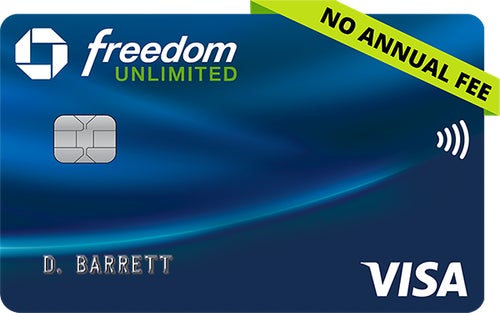 Chase Freedom Unlimited® No Annual Fee! |
|
1. System Rules & Eligibility Thresholds
The Pay Over Time engine does not apply to your entire statement balance automatically. Instead, it targets individual, qualifying transactions based on two hard structural rules:
- The Minimum Price Floor: A single transaction must settle at a minimum value of $100 or greater to become eligible for a standard post-purchase plan.
- Account Status Health: Your Freedom Unlimited account must be in good standing, have available credit equal to or greater than the total purchase price, and cannot be over-limit or delinquent.
When an eligible purchase shifts from "Pending" to "Posted" inside your dashboard, an explicit option appears allowing you to wrap that transaction into a plan. The platform will dynamically generate up to three distinct duration options (typically 3, 6, or 12 months) based on your transaction size and credit profile.
2. Fixed-Fee Mathematics vs. Traditional APR
The most important functional distinction of Chase Pay Over Time is that the fee is fixed at creation. Once you activate a plan, the monthly fee never changes, even if your card's standard purchase APR increases during the plan's duration.
The monthly fee calculation is based on a complex algorithm that takes into account the original purchase amount, the chosen duration, and the standard APR assigned to your card. To illustrate how this compares to carrying a standard interest balance, look at this breakdown of a hypothetical $600 appliance purchase over a 6-month timeline:
| Metric Component | Traditional Revolving Interest (25% APR) | Chase Pay Over Time Plan (Fixed Fee) |
|---|---|---|
| Initial Principal Balance | $600.00 | $600.00 |
| Monthly Financing Cost | Variable (Decreases slightly as principal drops) | Fixed Fee (e.g., ~$4.50 to $5.00/mo) |
| Required Monthly Payment | Minimum Payment Only (Leaves heavy residual debt) | $100.00 Principal + Fixed Fee Component |
| Total Cost of Financing | ~$44.50 (If paying flat equal installments) | ~$27.00 to $30.00 Total Fees |
The Promotional Variable (0% Plan Fees): Chase regularly utilizes Pay Over Time as an introductory onboarding lever. New cardholders frequently qualify for $0 monthly plan fees on any plans created within the first 15 months of account opening. This perfectly mirrors the mechanics of your card's standalone 15-month 0% introductory APR window, giving you a structured way to pay off large expenditures without adding a penny of extra cost.
3. Post-Purchase Dashboard vs. Amazon Point-of-Sale
The functional workflow changes significantly based on where you choose to split your payments. Chase maintains two distinct software integrations for the Freedom Unlimited platform:
Standard Post-Purchase Interface
Minimum Trigger: $100.00
Executed manually inside the Chase mobile app or desktop dashboard up to 2 statement cycles after the purchase occurs. You earn your full rewards points immediately on the entire base purchase amount when the transaction posts, regardless of the plan's length.
Amazon Point-of-Sale Integration
Minimum Trigger: $50.00
Integrated directly into the Amazon retail checkout gateway. When checking out with your linked Freedom Unlimited card, the system bypasses the $100 floor down to $50. You select your payment terms right on the checkout page, and the order is instantly structured into your Chase account statement upon shipment.
4. The Credit Score Illusion: Utilization Metrics
The biggest functional pitfall with Chase Pay Over Time involves how your credit utilization is reported to the credit bureaus. Many cardholders assume that because a purchase is converted into a structured installment plan, it is removed from their revolving credit metrics. This is a dangerous misconception.
The entire balance of your active plan continues to consume your credit line and is reported directly to Equifax, Experian, and TransUnion as standard revolving debt. For example, if you place a $1,200 laptop on a 12-month plan with a $5,000 credit limit, your account will immediately report $1,200 of credit utilization (24% utilization for that card).
If you are actively trying to optimize your credit score for an upcoming loan or auto lease, putting large transactions into a Pay Over Time plan can temporarily drag down your score by inflating your utilization metrics. Make sure to monitor these shifting balance levels using the built-in tracking tools reviewed inside our Chase Credit Journey guide.
5. Purchases That Do NOT Qualify for Pay Over Time
Not every transaction can be converted into a Pay Over Time plan. Chase excludes several categories entirely:
- Cash advances and cash‑equivalent transactions
- Balance transfers
- Gift cards purchased from financial institutions
- Crypto purchases or digital currency transactions
- Gambling transactions or lottery purchases
- Annual fees or interest charges
- Returned or refunded purchases
If a transaction falls into one of these categories, the Pay Over Time option will never appear in your dashboard.
6. How Rewards Work With Pay Over Time
One of the biggest advantages of Pay Over Time is that you earn your full rewards immediately:
- You earn full points on the entire purchase amount.
- Points post when the transaction posts — not when the plan is paid off.
- Plan fees do not earn rewards.
This makes Pay Over Time strategically useful for large purchases in bonus categories like dining or drugstores.
7. Can You Pay Off a Plan Early?
Yes — you can pay off a Pay Over Time plan early at any time. However:
- The fixed monthly fee does not decrease if you pay early.
- You will still owe the remaining fee amount for that month.
Early payoff is most beneficial when you want to reduce utilization before a major credit event.
8. Can You Cancel a Pay Over Time Plan?
You can cancel a plan only by paying it off in full. Chase does not allow mid‑plan cancellation without payoff.
Once paid off:
- The plan closes immediately.
9. Pay Over Time vs. 0% APR: Which Should You Use?
Chase Freedom Unlimited offers two different financing tools:
- 0% Intro APR — applies to your entire balance
- Pay Over Time — applies to individual purchases
General rule:
- Use 0% APR for large balances or multiple purchases.
- Use Pay Over Time for single large purchases or Amazon checkout splits.
During promotional periods, Pay Over Time may offer $0 fees, making it functionally identical to 0% APR but with structured payments.
10. How Pay Over Time Affects Your Minimum Payment
When you activate a plan, Chase adds two components to your minimum payment:
- Monthly principal portion of the plan
- Monthly fixed fee
This means your minimum payment will increase — even if your revolving balance is low.
11. How Chase Calculates Your Monthly Fee
Chase uses a proprietary algorithm based on:
- Purchase amount
- Plan duration
- Your card’s APR
Higher APR cards generally receive higher fixed fees.
12. Best Practices & Hidden Risks
- Use Pay Over Time only for purchases you can’t pay off immediately.
- Monitor utilization — plans inflate your reported balance.
- Never use Pay Over Time during a major credit event (mortgage, auto loan).
- Use $0 fee promotions whenever available.
- Pay off plans early if utilization becomes a problem.
Frequently Asked Questions
- Does Pay Over Time affect my credit score? Yes — utilization increases.
- Do I earn rewards? Yes — full points on the purchase amount.
- Can I pay off early? Yes — but fees don’t decrease.
- Does Amazon have different rules? Yes — $50 minimum instead of $100.
- Can I cancel a plan? Only by paying it off.
Get all the details at the Chase Master Resource Hub. For an analytical breakdown on how carrying structured balances contrasts with maximizing rewards assets, cross-reference our Ultimate Rewards Ecosystem Guide.
Related Chase Freedom Unlimited® Reads:
- Best Ways to Redeem Cash Back
- Ultimate Rewards Point Redemption Strategy
- 200 Bonus Rules & Eligibility
- Drugstore Spend Optimization (MCC 5912)
- Dining Rewards & Qualification Rules
- Complimentary DashPass Activation Guide
- 0% Intro APR & Balance Transfer Guide
- Pay Over Time on Amazon Purchases
- Chase Credit Journey Free Monitoring Review
- Credit Journey Access for Non-Customers
- Extended Warranty Protection Guide
- Purchase Protection Against Theft & Damage
- Auto Rental Collision Damage Waiver (CDW)
- Car Rental Insurance Explained
- Trip Cancellation & Interruption Insurance
- Travel Emergency Assistance Services